Festivals in Bali You’ve Never Heard Of (But Should Absolutely Plan Around)
Hidden in Bali’s vibrant traditions lies a collection of festivals untouched by mainstream travel guides. These celebrations open a rare doorway into authentic Balinese culture. For travelers who crave immersive experiences, planning around these events transforms a holiday into something extraordinary. Bali’s energy shifts during these festivals. You feel the rhythm of gamelan echoing through temples, the fragrance of offerings filling the air, and a sense of community unlike anywhere else. Festivals in Bali you’ve never heard of reveal the island’s beating heart, far from curated tourist routes.
Mekare-Kare: Ritual Combat in Tenganan Village
Every June, Tenganan village comes alive with the ancient Mekare-Kare festival. Men engage in friendly duels using thorny pandan leaves and woven shields. This rite honors the warrior spirit and preserves the traditions of Bali’s original inhabitants. Visitors witness a raw spectacle of courage and community. After the duels, locals share feasts and stories, welcoming you into their world. Attending this festival immerses you in a centuries-old narrative that most travelers miss.
Where to watch: Tenganan Pegringsingan Village, East Bali
Usaba Sambah: A Dance of Courtship
Karangasem hosts Usaba Sambah each May, where young villagers climb tall bamboo swings in a playful courtship ritual. The air fills with laughter, song, and ancestral blessings. Unlike any mainstream celebration, this event celebrates love, fertility, and community bonds. For guests seeking meaningful cultural encounters, Usaba Sambah offers a front-row seat to living traditions. It captures the softer, more intimate side of Balinese spirituality and social life.
Where to watch: Bungaya Village, Karangasem
Pagerwesi: A Spiritual Fortress
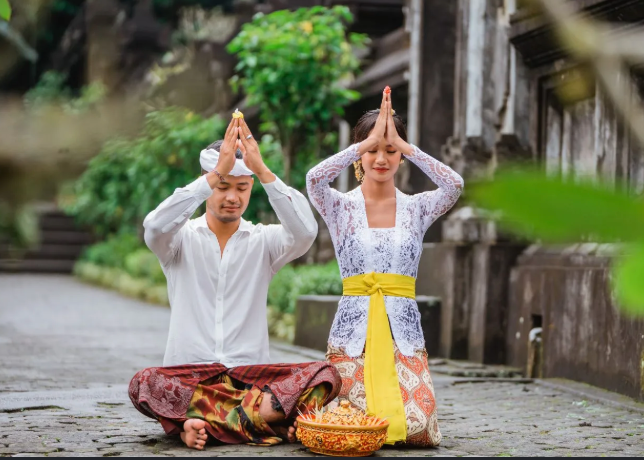
Pagerwesi, meaning “iron fence,” focuses on strengthening the mind and soul against negativity. Villagers gather at temples to pray, present offerings, and seek blessings for wisdom and protection. The festival usually occurs four days after Saraswati Day. The atmosphere feels deeply sacred yet warm. Guests who attend find themselves surrounded by chants, incense, and intricate ceremonies. This festival introduces travelers to Bali’s profound philosophy of spiritual balance.
Where to watch: Temples across Bali, especially Pura Luhur Uluwatu and Pura Besakih
Ngusaba Gede: Abundance and Gratitude in Besakih
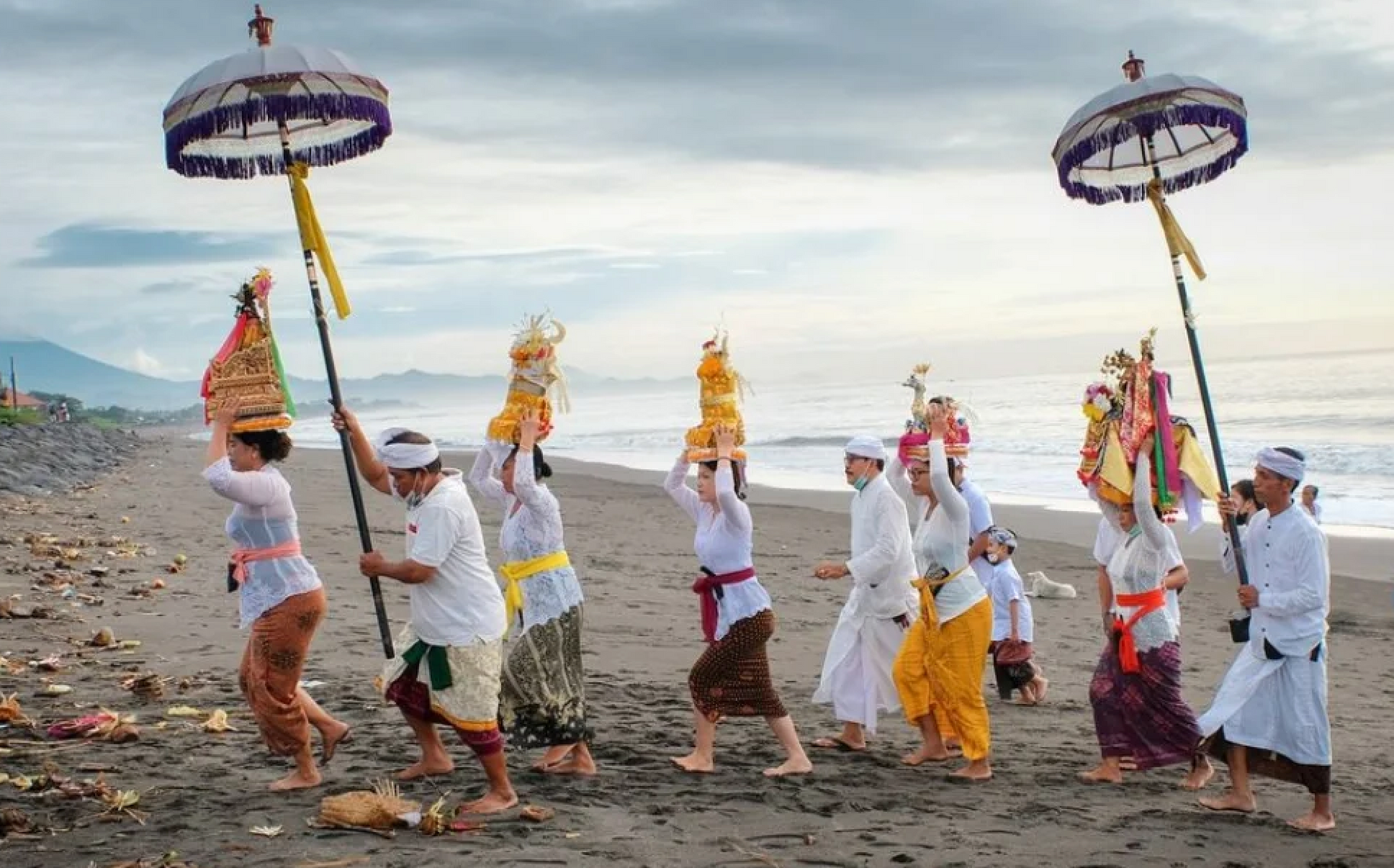
Ngusaba Gede takes place at the iconic Besakih Temple, Bali’s Mother Temple. It celebrates fertility, prosperity, and harmony between humans, nature, and the divine. Hundreds of villagers carry towering offerings of rice, fruits, and flowers in vibrant processions. Attending Ngusaba Gede lets you experience Balinese devotion on a monumental scale. The temple complex transforms into a living tapestry of sound, color, and spiritual energy. It’s an unfiltered glimpse into the island’s sacred core.
Where to watch: Besakih Temple, Karangasem
Tumpek Landep: Honoring the Power of Metal
Tumpek Landep is a fascinating festival where Balinese people bless objects made of metal — from sacred kris daggers to modern motorbikes. Priests perform rituals to infuse these tools with positive energy and protective power. Visitors witness a rare intersection of ancient traditions and contemporary life. Seeing locals decorate vehicles with offerings and flowers is both humbling and unforgettable. This festival reveals how spirituality touches every aspect of Balinese living.
Where to watch: Everywhere in Bali, especially in villages and temples
Exploring these festivals in Bali you’ve never heard of brings your stay closer to the island’s soul. They reveal layers of tradition and artistry untouched by mass tourism. Each event offers travelers an authentic perspective on heritage, community, and devotion. Plan your journey around these celebrations to create memories beyond ordinary sightseeing. Let Bali’s rhythms guide you to experiences that connect heart, culture, and spirit.
Image from thebalibible.com
The post Festivals in Bali You’ve Never Heard Of (But Should Absolutely Plan Around) appeared first on Luxury Villa Bali.



Digital Nomad in Bali: Must-Have Essentials from Co-Working Spaces to Cafes and Stellar Connectivity