The Different Faces of Bali: East, West, North, South, and Central
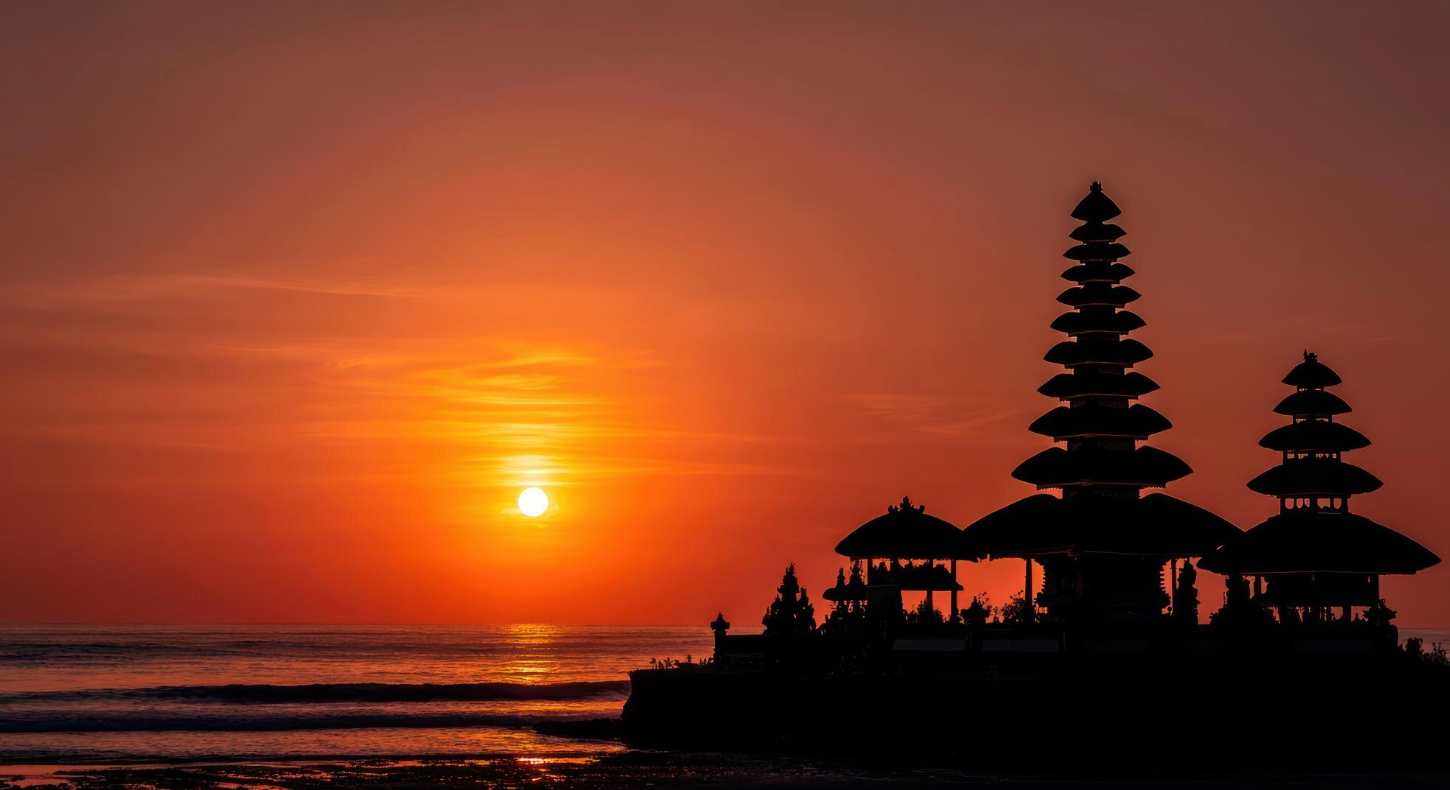
Image from freepik.com by muhammad.abdullah
Bali is often described as one island, one destination, one tropical escape. Yet anyone who spends more than a few days here quickly realizes that Bali has many faces. The island changes its mood from coast to coast. One region feels spiritual and artistic. Another feels wild and untouched. Some areas move with the rhythm of waves and beach clubs, while others stay quiet beneath mountains, forests, and old village roads. This is not a guide about which part of Bali is better. Each region has its own personality. Together, they create the island travelers fall in love with again and again.
Central Bali: The Soulful Artist
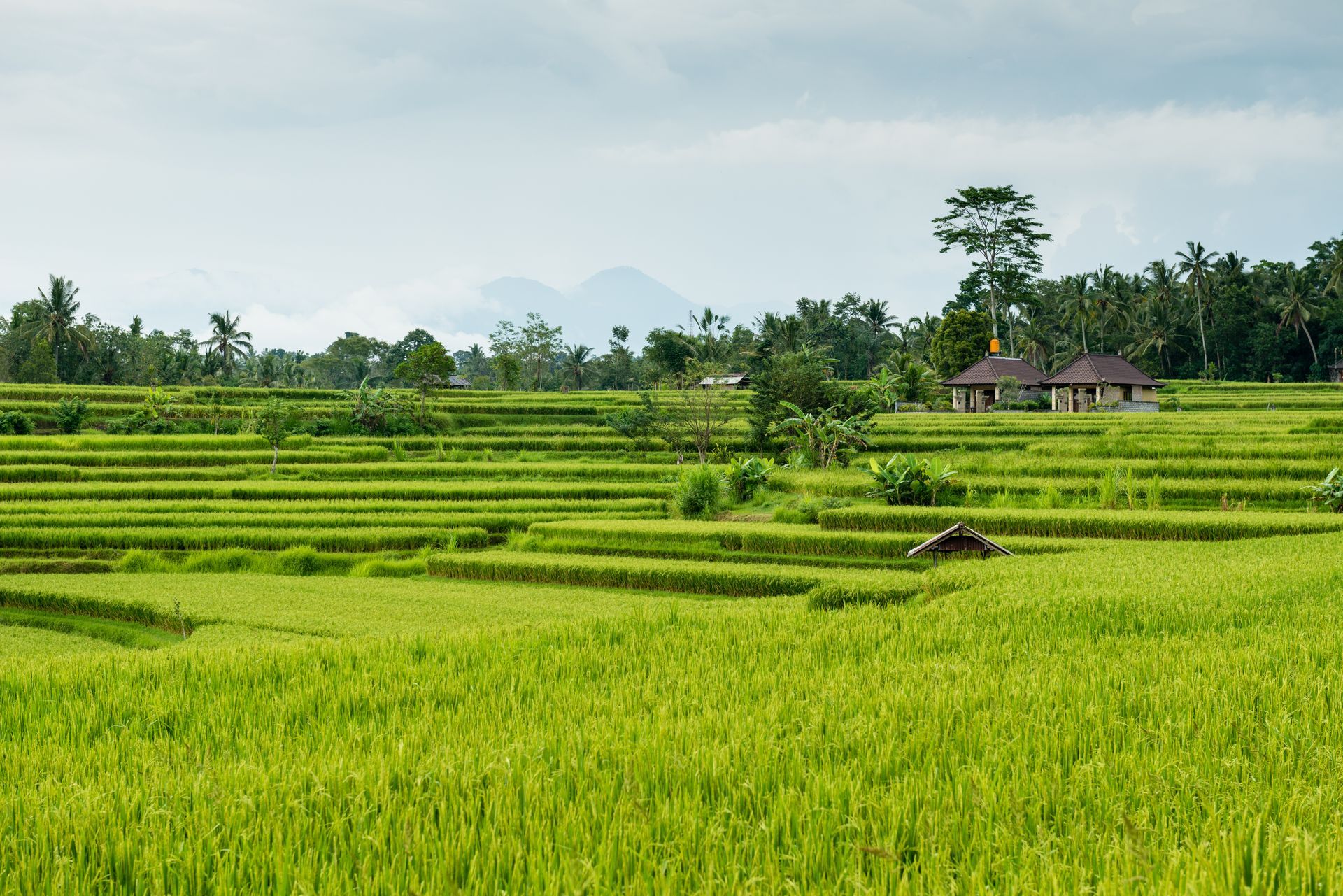
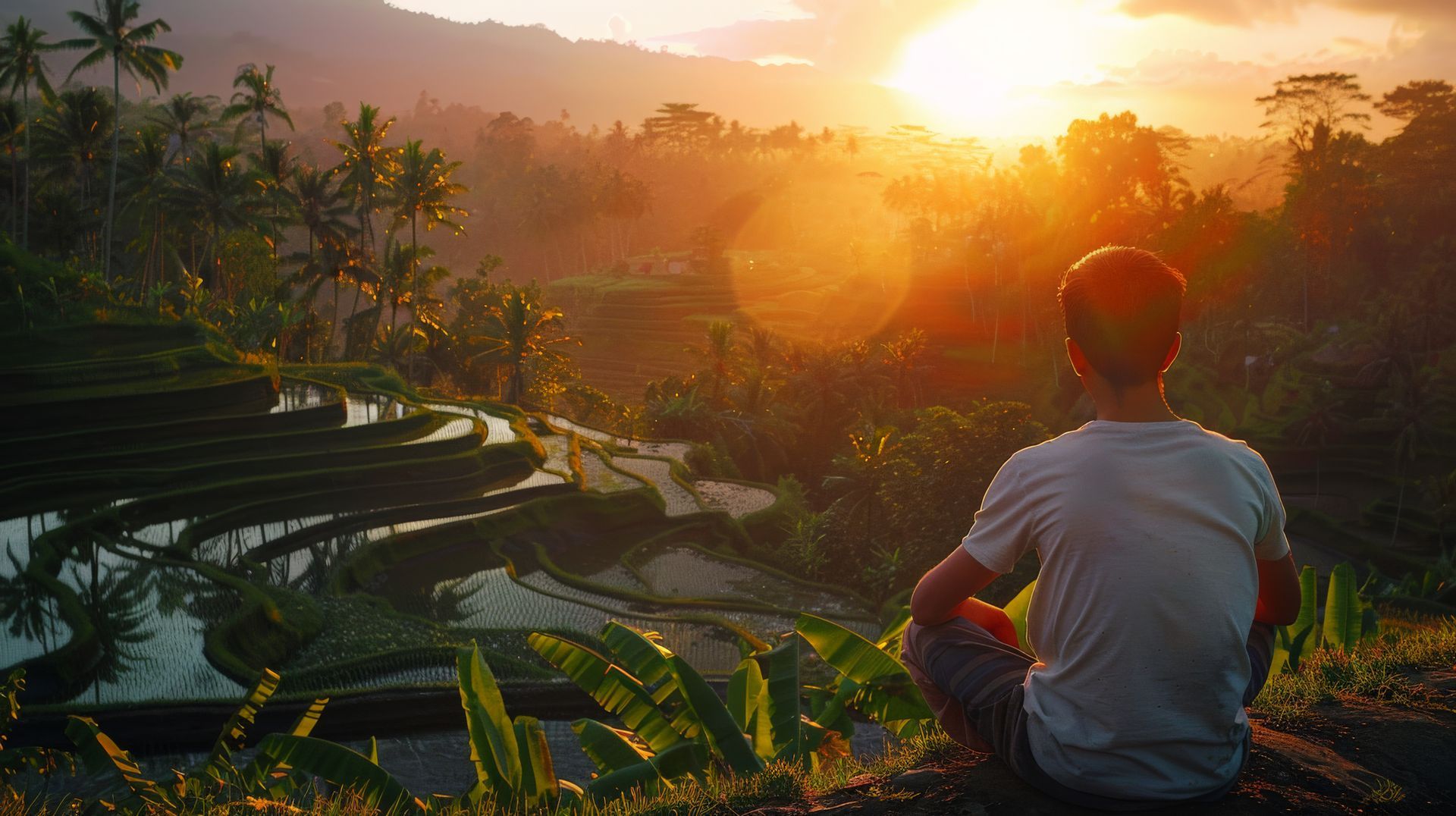
Central Bali feels like the island’s inner voice. This is the Bali of rice terraces, temples, river valleys, yoga studios, craft villages, and slow mornings surrounded by green. Ubud often becomes the heart of this region, but Central Bali is more than one famous town. It stretches into villages where woodcarvers, painters, dancers, and healers still carry traditions through daily life.
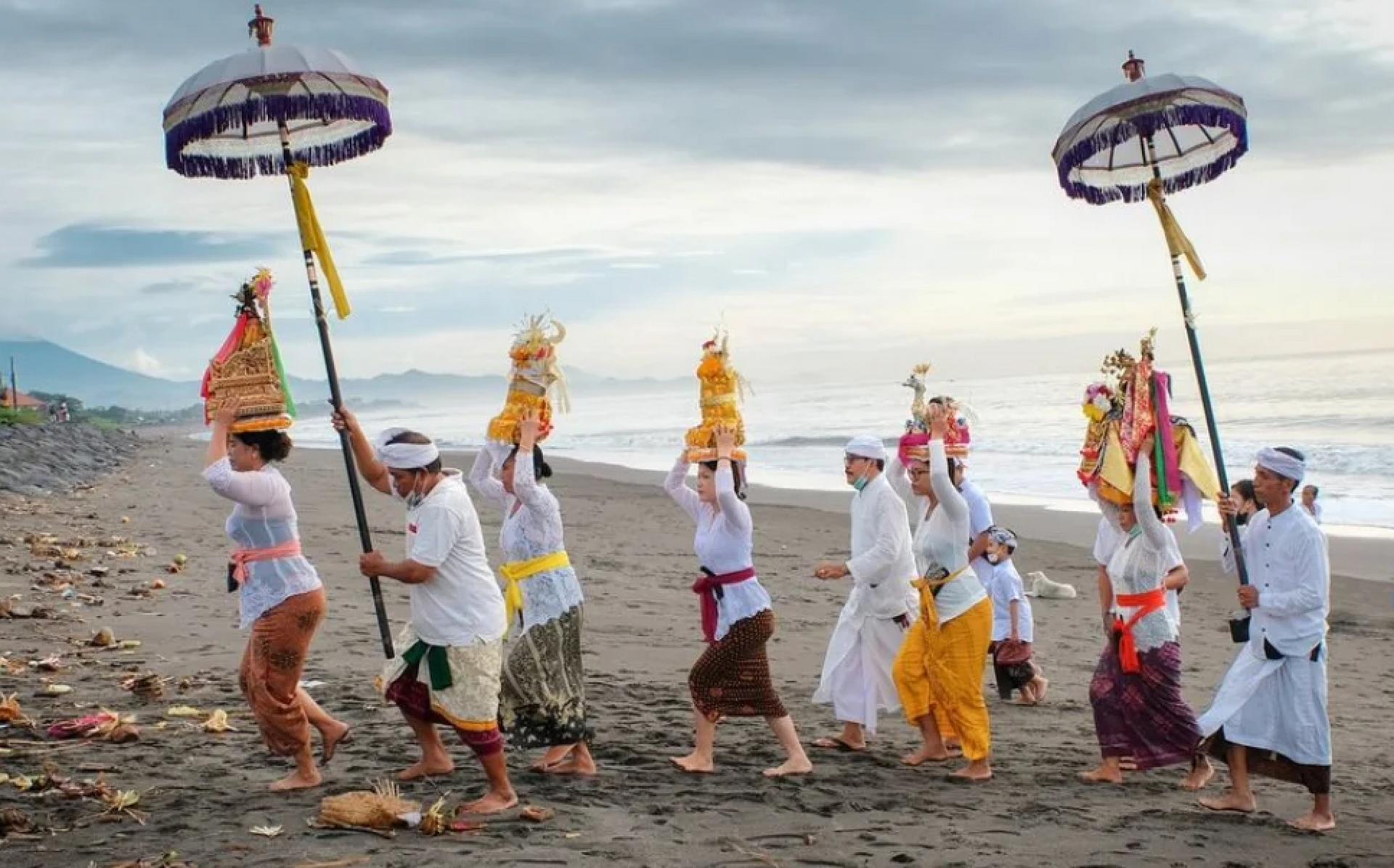
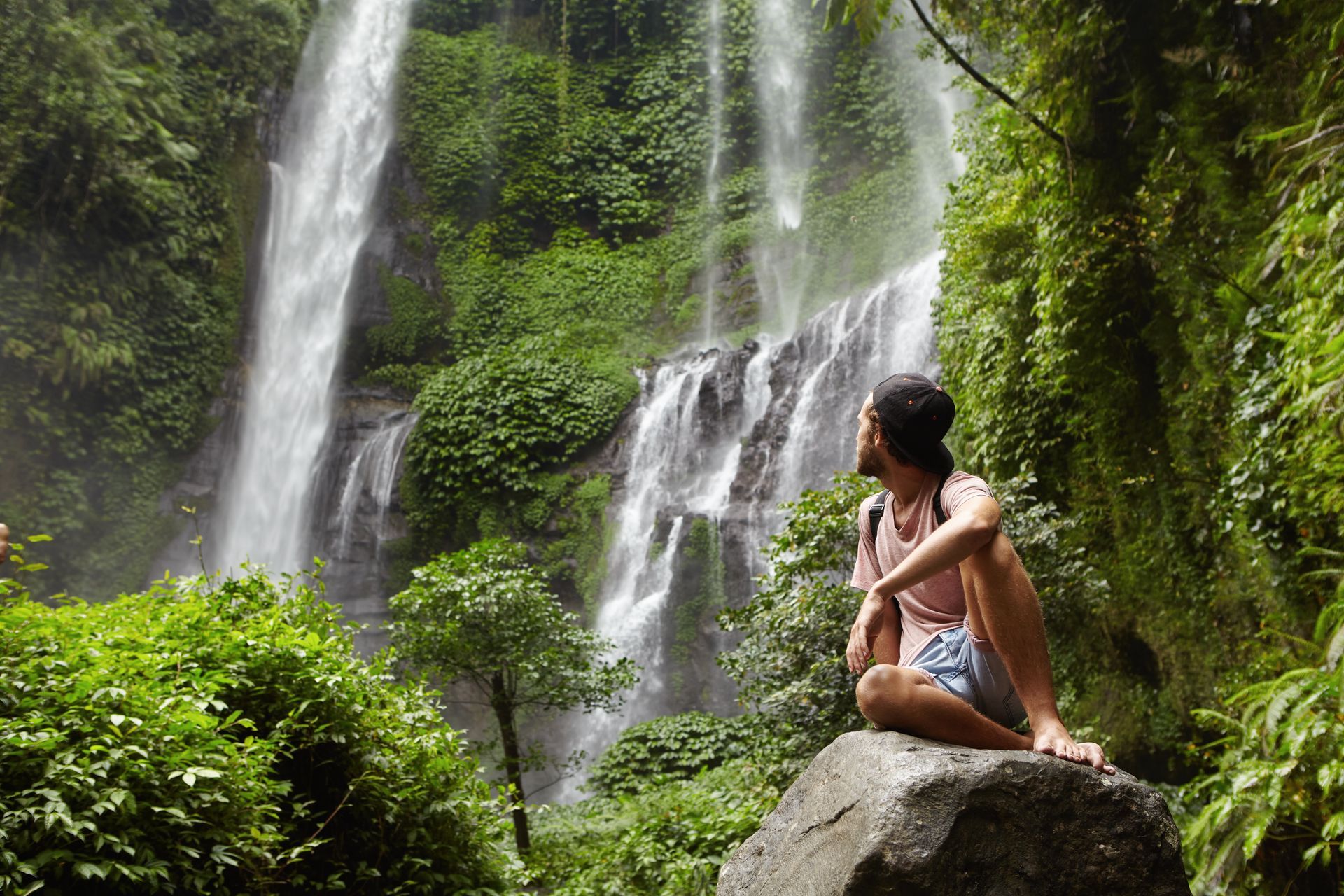
Central Bali has a reflective personality. It invites visitors to slow down, breathe deeper, and notice details. A morning walk can lead past offerings placed carefully on doorsteps. A short drive can reveal jungle views, waterfalls, and temple courtyards filled with incense.
This region suits travelers who want meaning behind beauty. It is not only about what you see, but what you feel while being there.
South Bali: The Social Butterfly
South Bali is energetic, polished, and always moving. This is where many visitors first meet the island. Areas like Seminyak, Canggu, Jimbaran, Uluwatu, Nusa Dua, and Kuta each carry their own rhythm, but together they form Bali’s most social side.
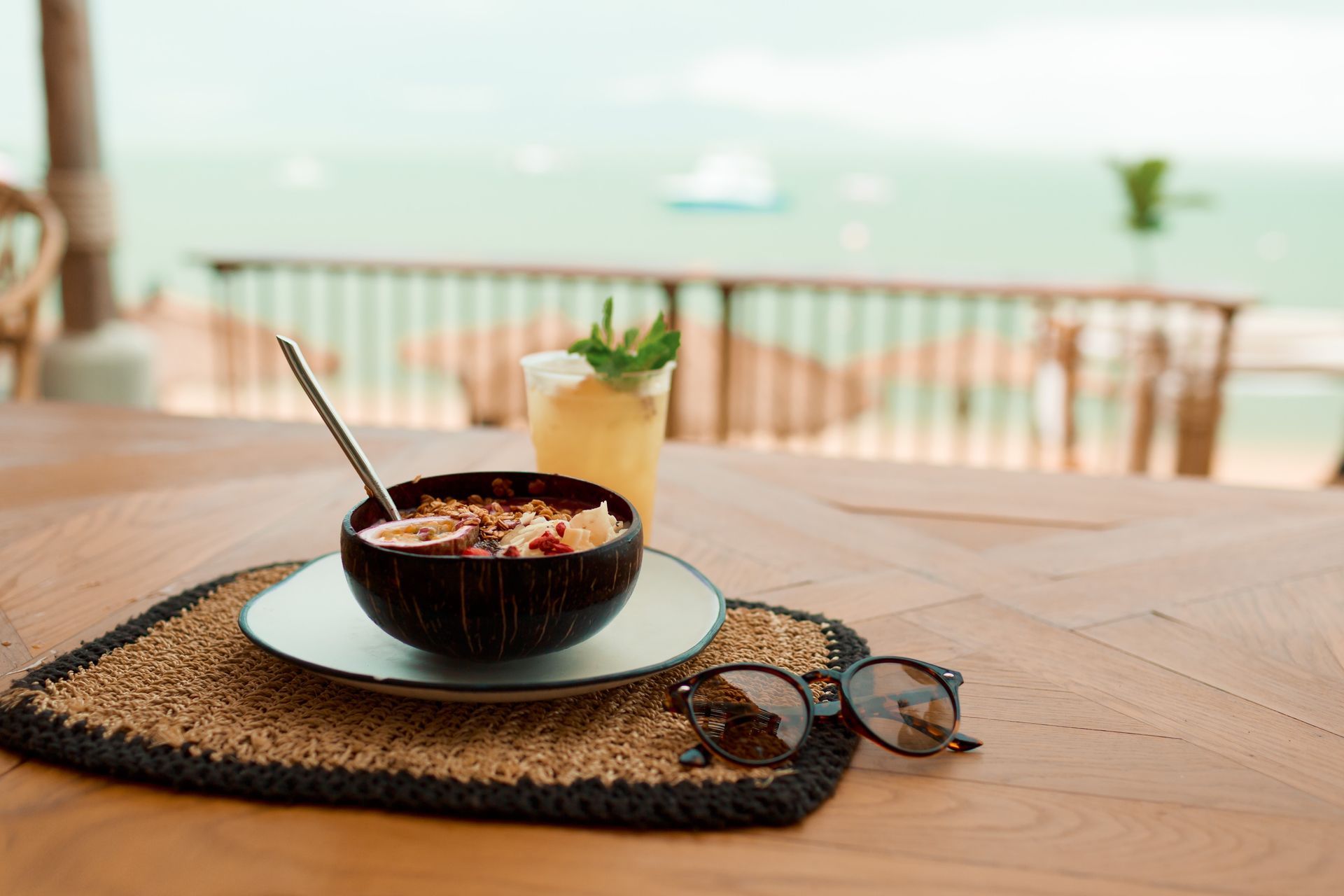
South Bali knows how to entertain. It offers beach clubs, stylish cafés, restaurants, surf beaches, sunset bars, boutique shops, luxury villas, and international dining. The atmosphere feels modern, confident, and expressive. Yet South Bali is not only about nightlife or busy streets. Uluwatu brings dramatic cliffs and ocean temples. Jimbaran offers seafood dinners by the beach. Nusa Dua presents a calm, resort-style version of the island.
If Bali were a person, South Bali would be the friend who always knows where to go, what to eat, and where to watch the sunset.
East Bali: The Quiet Storyteller
East Bali feels softer, older, and more poetic. This side of the island carries a slower rhythm. It is home to royal water palaces, black-sand beaches, fishing villages, mountain views, and sacred temples. Places like Amed, Sidemen, Candidasa, Tirta Gangga, and Lempuyang reveal a Bali that feels deeply rooted in landscape and tradition.
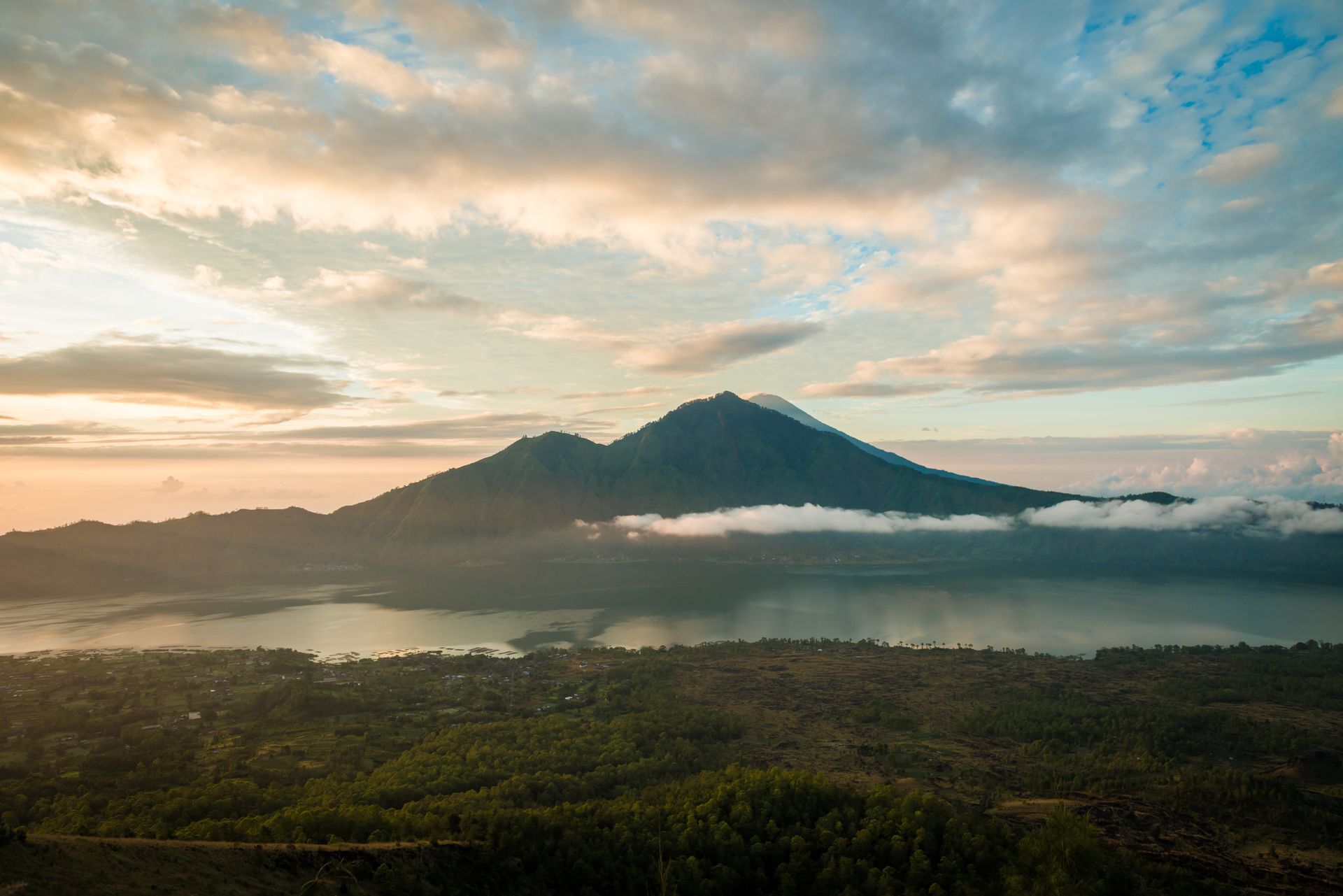
East Bali does not try to impress loudly. Its charm appears gradually. It shows up in misty rice fields, quiet village roads, salt farmers by the sea, and the silhouette of Mount Agung watching over the region.
Amed brings calm coastal life and beautiful underwater scenery. Sidemen offers one of Bali’s most peaceful countryside experiences. Tirta Gangga and Taman Ujung add elegance through water gardens and royal history. East Bali is the kind of place that rewards travelers who pay attention. It speaks gently, but its stories stay with you.
North Bali: The Calm Observer
North Bali has a different kind of silence. Far from the busier southern coastline, the north feels spacious and unhurried. Lovina, Singaraja, Munduk, Banjar, and nearby mountain villages create a region shaped by waterfalls, lakes, hot springs, old colonial traces, and calm beaches.
North Bali does not rush to be discovered. It feels patient. The roads are quieter. The beaches are darker and more peaceful. The mountains feel close, and the air often turns cooler as you travel inland.
This region is ideal for travelers who enjoy nature without too much noise. Munduk brings waterfalls, coffee plantations, and misty hills. Lovina offers gentle coastal mornings and dolphin-watching trips. Banjar invites visitors to soak in natural hot springs surrounded by tropical greenery. North Bali feels like the island taking a deep breath.
West Bali: The Wild Guardian
West Bali is the island’s untamed side. This region feels more remote, spacious, and raw. It is home to West Bali National Park, quiet beaches, forested landscapes, and some of the island’s richest natural surroundings. Compared to other parts of Bali, the west remains less developed and less crowded.
West Bali has a protective personality. It guards the island’s wilderness. Here, nature takes the lead. Travelers come for snorkeling, diving, birdlife, coastal drives, and a feeling of distance from Bali’s more familiar tourist routes.
Menjangan Island, located within West Bali National Park, is one of the region’s most remarkable highlights. Its clear waters and coral reefs attract divers and snorkelers seeking a quieter marine experience. West Bali is not the face of Bali most visitors see first. Yet for those who make the journey, it reveals a powerful truth: Bali is still wild in places.
To understand Bali, visitors need to look beyond one beach, one town, or one itinerary. The island is not defined by a single experience. It is shaped by many landscapes, communities, traditions, and rhythms. The different faces of Bali make the island feel endlessly alive. For travelers willing to explore beyond the usual path, Bali becomes more than a destination. It becomes a collection of moods, stories, and places that reveal themselves one journey at a time.

Digital Nomad in Bali: Must-Have Essentials from Co-Working Spaces to Cafes and Stellar Connectivity