Balinese Ceremony Travel Planning: How Full Moon and Ritual Days Can Change Your Travel Plans
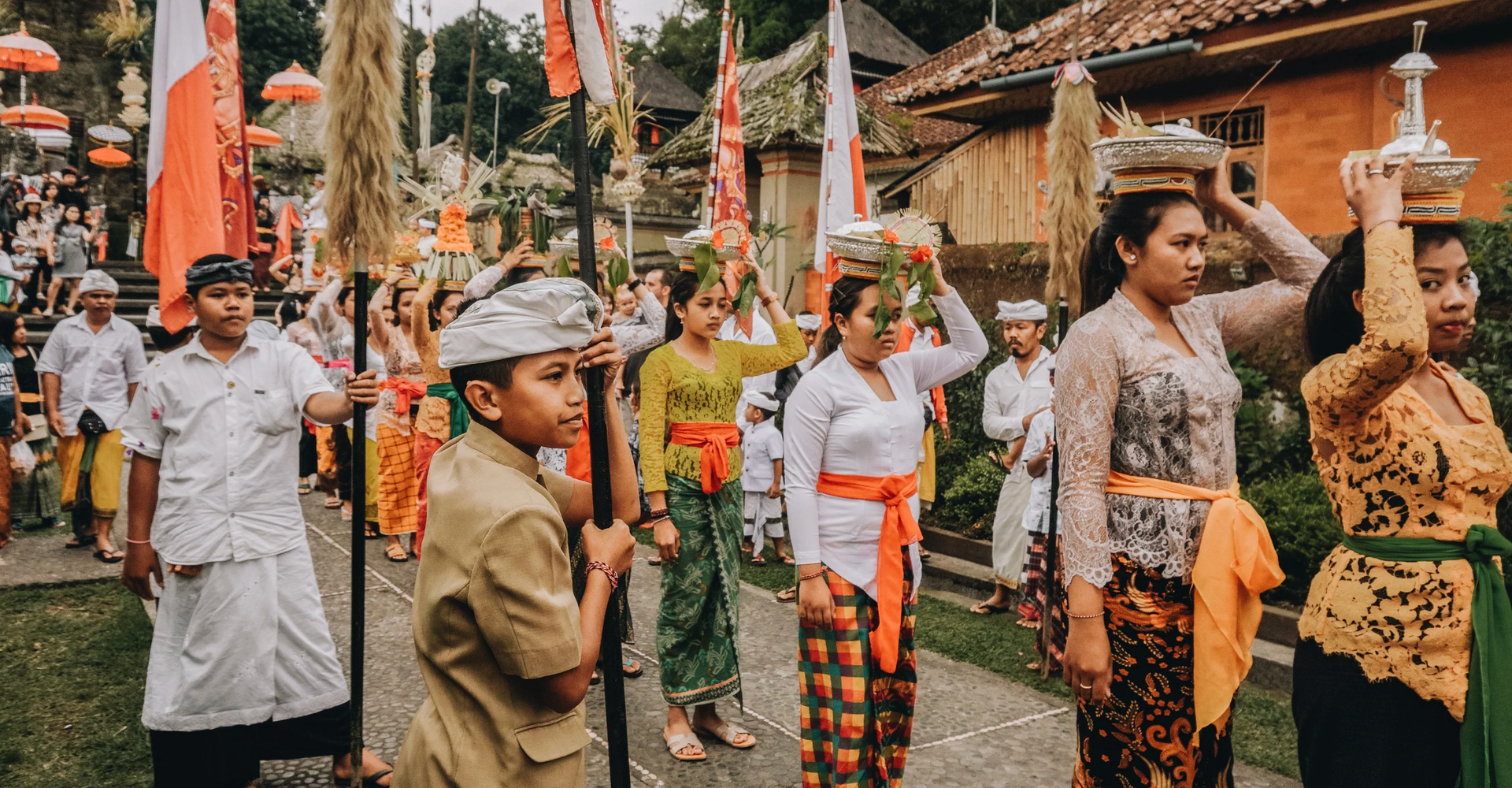
Image from https://uluwatu.co.id
Perfect itineraries often clash with living traditions. A quiet road turns ceremonial. A short drive takes twice as long. Offerings appear everywhere before sunrise. Many travelers do not realize Bali operates on ritual time. Ceremonies guide movement, priorities, and energy. These days do not cancel your holiday. They change how it flows. Preparation decides whether this feels stressful or meaningful. Ceremonies happen often, not only once a year. Full moon days, temple anniversaries, Nyepi, Galungan, and Kuningan shape daily life. Locals pause work. Families gather. Villages focus inward. Travelers need awareness, not avoidance.
Why Ceremonies Can Affect Your Travel Plans
Balinese culture places ceremony above routine. When a ritual approaches, communities prepare together. Roads near temples may close. Traffic slows near villages. Shops adjust hours.
Tour schedules may shift. Drivers book faster. Boats can run less frequently. Your plan still works with flexibility.
Understanding Balinese ceremony travel planning helps you move with the rhythm instead of against it.
Full Moon Days: Frequent and Often Overlooked
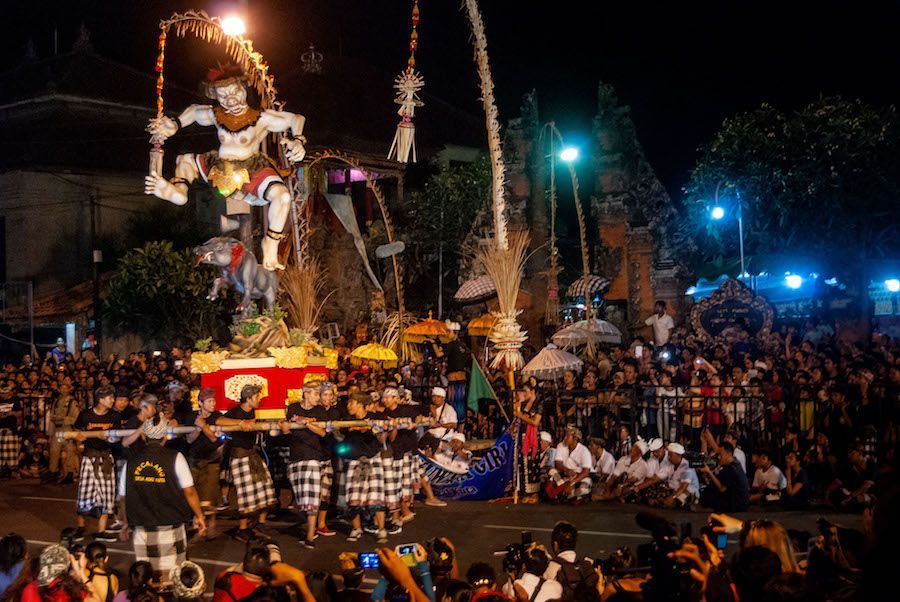
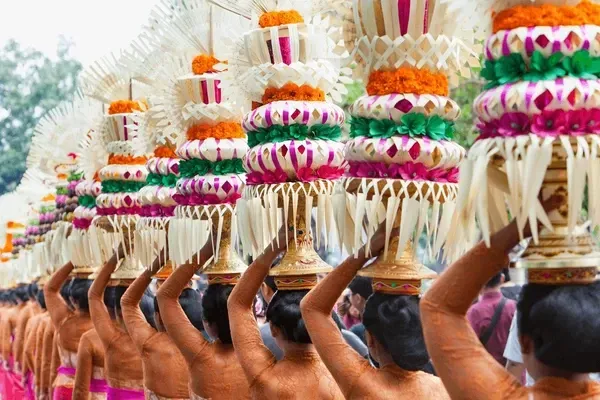
Full moon days happen twice every month. Many tourists miss this detail. Temples host prayers across the island. Locals dress in white and gold. Offerings fill sidewalks.
You may notice:
- Slower traffic near temples
- Busy mornings and evenings
- Crowded parking areas
- Limited access to some streets
Plan short-distance activities. Avoid rushing between regions. Choose one area and explore slowly.
Temple Anniversaries and Local Ceremonies
Every temple celebrates its own anniversary. These dates follow the Balinese calendar, not fixed months. One village may celebrate while another feels normal.
Local ceremonies can include:
- Processions through village roads
- Temporary road closures
- Loud gamelan music
- Increased crowds near temples
Ask your accommodation about nearby temple dates. This small step prevents confusion.
Nyepi, Galungan, and Kuningan Still Matter
Nyepi brings a full island shutdown. Galungan and Kuningan create busy travel weeks. These ceremonies carry the biggest impact. They do not stand alone.
Nyepi requires full preparation. Galungan and Kuningan require patience. Other ceremonies require awareness.
All of them reward travelers who plan ahead.
How Ceremonies Affect Transport and Tours
Ceremony days change priorities for drivers and guides. Some routes close briefly. Some tours adjust timing. Boat transfers may sell out early.
Smart planning includes:
- Booking transport in advance
- Adding buffer time
- Avoiding tight schedules
- Confirming plans the day before
These habits define successful Balinese ceremony travel planning.
How to Prepare Before Your Trip
Preparation starts before arrival. Check major ceremony periods. Ask about local temple events. Build flexibility into your itinerary.
Checklist before booking:
- Check Nyepi dates
- Note Galungan and Kuningan weeks
- Expect full moon days every two weeks
- Leave one free day for adjustments
This preparation saves energy and mood.
How to Enjoy Bali During Ceremony Periods
Ceremony days bring a special atmosphere. Streets feel alive or deeply quiet. Colors, sounds, and scents intensify.
Best activities during ceremonies:
- Spa treatments
- Café visits nearby
- Slow walks in your area
- Cultural observation from a distance
Respect remains essential. Avoid stepping on offerings. Do not block processions. Dress modestly near temples.
Travel plans may shift without warning. Roads may close for prayer. Time may slow by design. This is not an inconvenience. This is culture in motion. Travelers who expect flexibility experience less frustration and more wonder. With Balinese ceremony travel planning, you arrive prepared, patient, and ready to experience Bali beyond schedules.